8 Simple Sensory Play Ideas for Kids
At My Ohana, we know that children learn, grow and explore best when they’re free to use all their senses - touch, sight, sound, smell, and even movement.
That’s where sensory play comes in.
These fun, hands‑on activities not only keep little ones entertained, but also help build important skills for life.
Whether you’re at nursery or at home, sensory play is a wonderful way to support your child’s development while having a whole lot of fun.
Keep reading to discover 12 sensory play ideas for your little ones …

What is Sensory Play?
Sensory play is any kind of play that stimulates a child’s senses - touch, sight, sound, smell, taste or even movement and balance.
Through sensory play, children explore the world around them: the feel of sand between their fingers, the sound of water splashing, or the smell of herbs. These experiences help build nerve connections in the brain, supporting cognitive growth, language development, emotional regulation and fine or gross‑motor skills.
Importantly, sensory play isn’t complicated - it doesn’t need fancy toys or expensive kits. Often, everyday items or simple materials around the house or garden are all you need.
Sensory Play Ideas
1. DIY Sensory Bin (Touch & Texture)
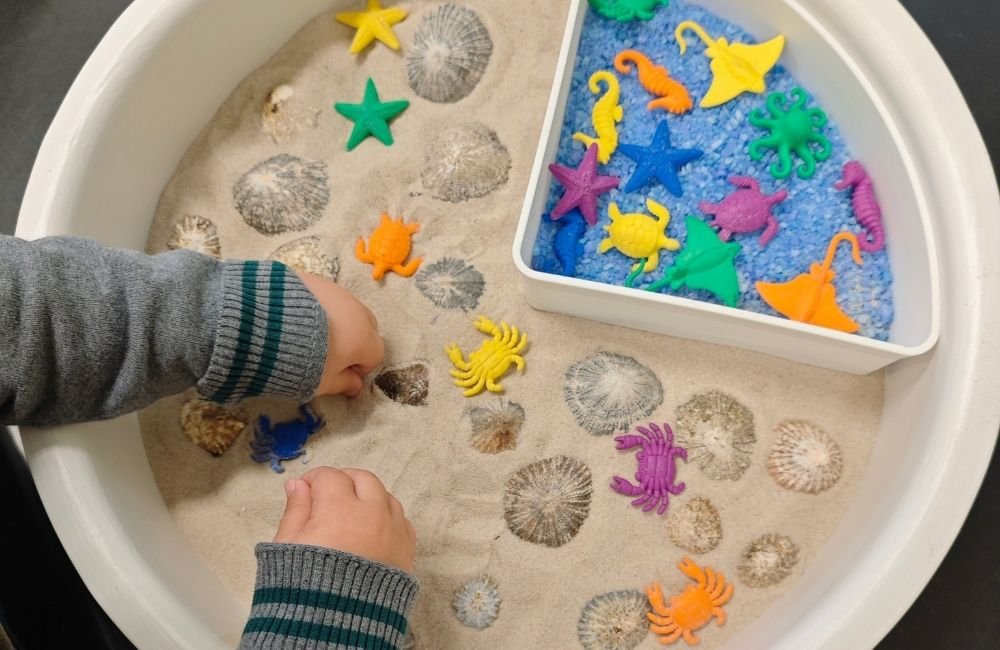
Fill a tub or container with materials like rice, pasta, dry cereal, sand or water beads. Add spoons, scoops, small toys or kitchen tools and let your child dig, scoop, bury and discover.
Great for fine‑motor skills and tactile exploration!
2. Water or Foam Play
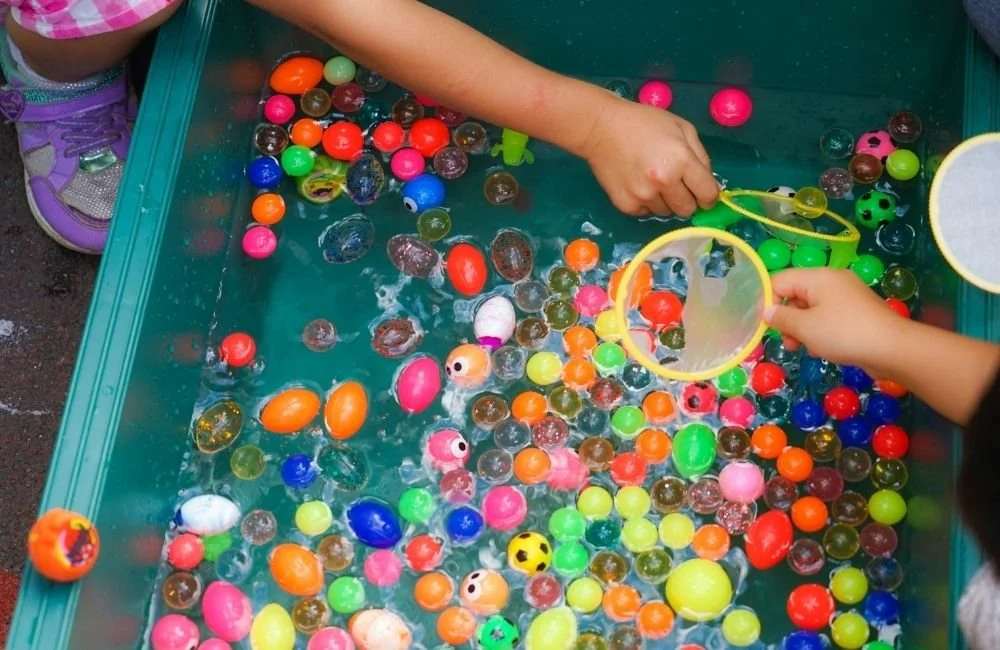
Use a shallow tray or small tub for water play - pouring, splashing, mixing. For a more tactile twist, try foam play (for example shaving foam on a tray) so little hands can swirl, stamp or write shapes - fantastic for messy, sensory‑rich fun.
3. Edible / Taste‑Safe Play
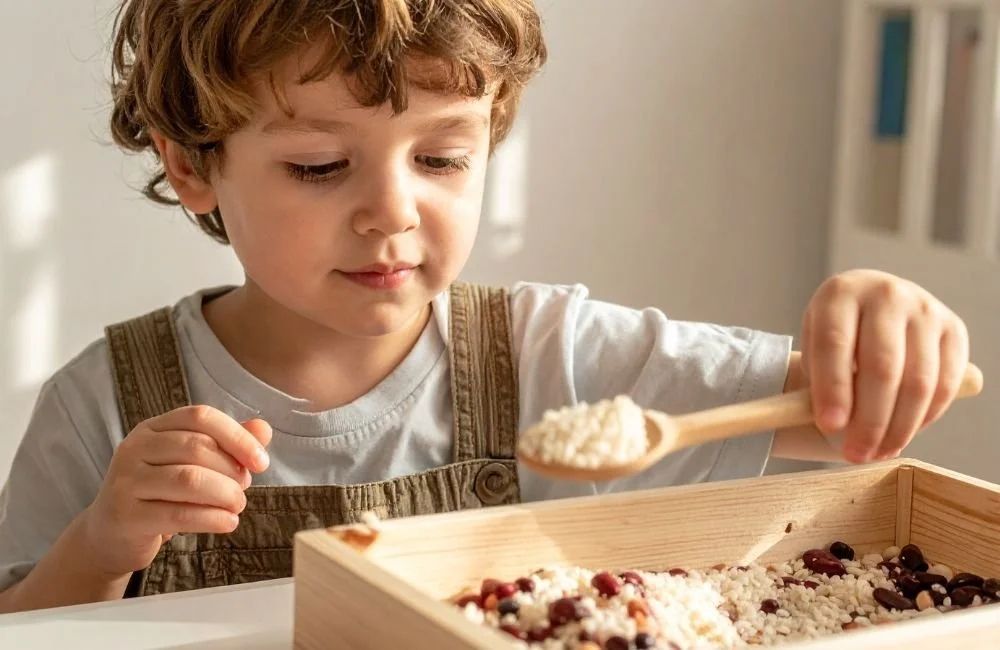
For toddlers who still explore with their mouths, taste‑safe sensory play is a great option. Think cooked spaghetti, jelly, yogurt paint, or cereal‑based bins. Always make sure items are safe, clean and supervised.
4. Smell & Scent Play
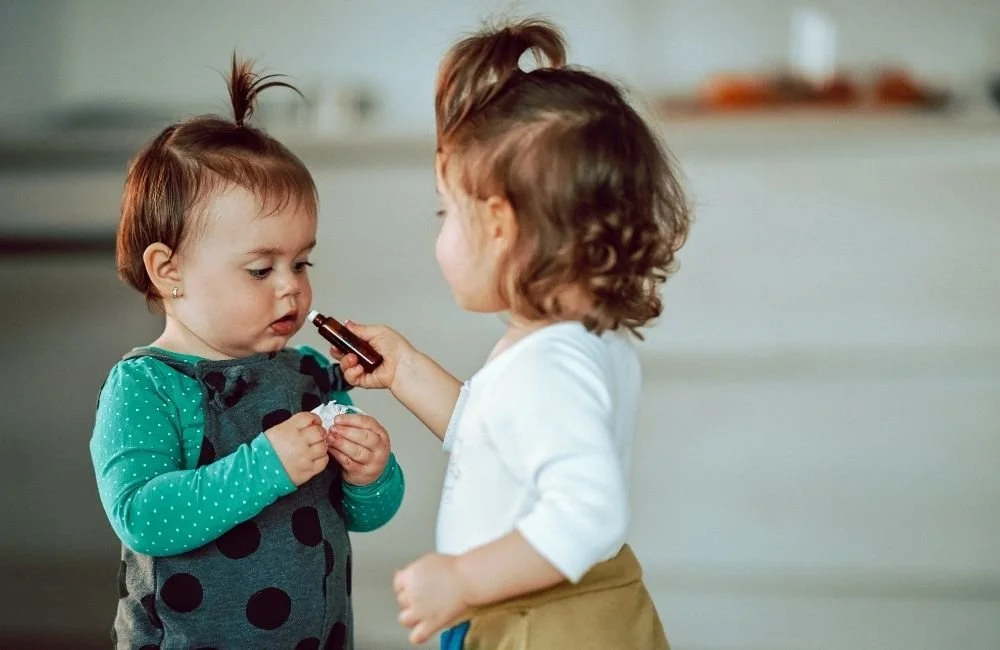
Encourage olfactory exploration by using scented play‑dough (for example with a hint of vanilla or mint), small jars with different herbs or spices, or even scented bottles. These activities help build scent recognition and can be soothing.
5. Light & Visual Play
Use torches, coloured cellophane or light boxes (if you have one) to play with shadows, colours and shapes. Activities like watching water ripple, moving coloured light over paper or exploring shadows can stimulate visual senses and curiosity.

6. Outdoor & Nature‑Based Sensory Play
Take sensory play outside! Try a barefoot walk over grass, pebbles, sand or soft soil. Collect leaves, stones, bark or pinecones and let your child explore different textures. Nature is a brilliant natural sensory playground.
Why not use our Autumn Scavenger Hunt and add a sense of adventure to your child’s time outside!

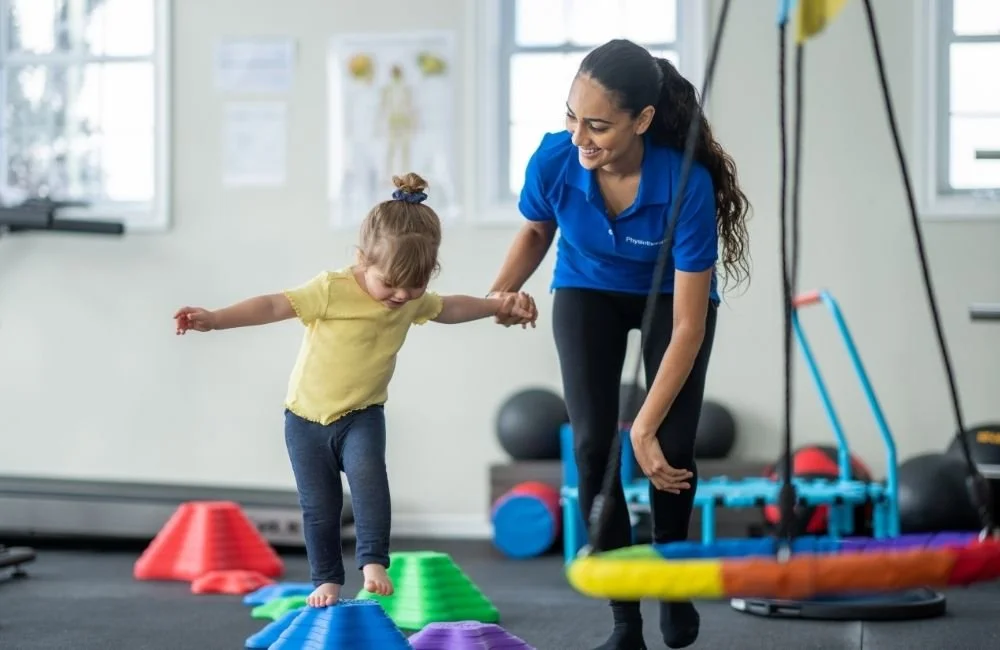
7. Movement & Balance Play (Gross‑Motor / Vestibular)
Activities like swinging, gently spinning, balancing, jumping or climbing support body awareness, coordination, balance and proprioception - part of sensory play too. Great for energy release and physical development.
8. Sound & Music Play
Sing, dance, rattle, play simple instruments or even just explore natural sounds (wind in the leaves, rain on a window, birds outside).
This kind of sensory play helps auditory development, listening skills and can be calming or energising depending on the day.

Age-Specific Sensory Play Ideas
Every child grows at their own pace, but age-appropriate sensory play helps them explore safely and with confidence. Here are some ideas tailored to each stage:
Sensory Play Ideas for Babies (0–12 months)
At this stage, babies learn through simple, gentle sensory experiences. Focus on soft textures, natural sounds and calm, soothing play.
Texture baskets: Soft cloths, sponges, gentle fabrics.
Water play: Splashing hands during bath time.
High-contrast visuals: Black-and-white cards, light reflections.
Sound exploration: Shakers, rattles, crinkly toys.
Tummy-time sensory mats: Safe, squishy, touch-friendly surfaces.
Supervision is especially important at this age — keep play simple, safe and close-by.
Sensory Play Ideas for Toddlers (1–3 years)
Toddlers are curious, busy explorers. They love anything hands-on, messy and interactive.
Simple sensory bins: Rice, pasta, oats or cereal with scoops and cups.
Foam or jelly play: Great for squishing and squeezing.
Water pouring station: Jugs, tubs and plastic cups outdoors or in the bath.
Nature play: Leaves, mud, sand, stones and natural textures.
Cause-and-effect toys: Water wheels, funnels, pop-up toys.
This age group thrives on repetition, so don’t worry if they want to do the same sensory activity every day!
Sensory Play Ideas for Preschoolers (3–5 years)
Preschoolers love to experiment, problem-solve and use sensory play in more imaginative ways.
Scented or coloured playdough: Add herbs, spices or natural colourings.
Small-world sensory trays: Dinosaurs in sand, arctic animals in ice, farm animals in oats.
Fine-motor challenges: Tweezers, tongs, sorting trays, threading beads.
Science-inspired sensory play: Baking soda fizzing, melting ice, colour mixing.
Movement & balance: Obstacle courses, climbing, spinning and jumping.
At this age, sensory play can extend learning even further — helping children prepare for reading, writing and early maths through hands-on exploration.
Benefits of Sensory Play
Sensory play isn’t just fun - it’s a powerful way to support your child’s early development. When children explore different textures, sounds, smells and movements, they’re strengthening the foundations for future learning.
Here are some of the key benefits:
Builds brain connections: Sensory experiences help create strong neural pathways, laying the groundwork for problem-solving, memory and early thinking skills.
Supports language development: As children describe what they feel, see or hear (“squishy,” “cold,” “loud”), they naturally expand their vocabulary.
Encourages curiosity and confidence: Sensory play gives children the freedom to experiment, explore and take safe risks.
Develops fine- and gross-motor skills: Scooping, pouring, squishing and climbing all help strengthen little muscles and coordination.
Helps with emotional regulation: Calming sensory activities, like water play or soft textures, can help children unwind, focus and feel grounded.
Supports social skills: Sharing tools, taking turns and playing alongside others all help build cooperative play and early friendships.
At My Ohana, we weave sensory play into the everyday because we see just how important it is for helping children learn, grow and thrive.
FAQ
Q: Is sensory play safe for toddlers and babies?
A: Yes - but with care. Always supervise closely, especially with small objects, water or anything that could be a choking hazard. Choose materials appropriate for your child’s age (e.g. cooked pasta instead of raw dry beans for toddlers).
Q: Do I need special toys or equipment to do sensory play?
A: Not at all. Many great sensory activities use everyday items you already have - rice, pasta, water, sand, leaves, spoons, containers, even kitchen or garden tools. The magic is in giving children a chance to explore.
Q: My child gets overwhelmed by messy or loud play - can sensory play still help?
A: Definitely. Sensory play can also be calming. Quiet, gentle activities like water play, light play, soft textures, or listening to sounds can help children regulate emotions, focus and relax. It’s all about tuning into how your child responds and adapting accordingly.
Q: How often should we do sensory play?
A: There’s no set rule - sensory play can be woven into everyday life. Even simple things like a barefoot walk on grass, playing with water after bath time, or mixing colours with paint can count. The key is variety, safety and allowing your child to explore at their own pace.
Learn more about how sensory play supports your child’s development:
At My Ohana, we believe every child thrives when they’re free to explore - and sensory play offers so many paths to learning, creativity and joy. Whether you’re at nursery, at home, or out in the garden, there’s a world of sensory adventures waiting for little hands to discover.
At My Ohana, our nurseries are full of hands-on, child-led learning experiences designed to help little ones thrive.
Book a tour at your nearest My Ohana nursery and discover how we support every child’s development through creativity, curiosity and play.